
Retinoids 101: What Your Skin Needs to Know
RETINOIDS, EXPLAINED — ONE OF DERMATOLOGY'S MOST RECOMMENDED INGREDIENTS
If you’ve ever been told to “use a retinoid,” you may have wondered: Which one? How often? What does it actually do? Can my skin tolerate it?
Retinoids are a family of vitamin A derivatives that have been used in dermatology for decades. They can address everything from acne and clogged pores to fine lines, uneven texture and pigmentation. It's National Retinoid Week, and we’re breaking down the basics and sharing how retinoids can fit into real-life skin care routines.
In this month's blog, we'll explore:
Retinoids 101: What they are, how they work, and why they remain a dermatology favorite
The difference between tretinoin, retinal, and other retinoid options
How retinoids can help with acne, fine lines, pigmentation, and uneven texture
Meet AlphaRet® from SkinBetter
WHAT IS A RETINOID?
“Retinoid” is an umbrella term for a group of vitamin A derivatives.
HOW DO THEY WORK?
Retinoids bind to receptors in skin cells and act by a few different mechanisms:
Increase cell turnover
Decrease sebaceous oil production
Stimulate collagen production
WHAT ARE THE DIFFERENT TYPES?
Retinol & Retinal (retinaldehyde)
Both are available in multiple over-the-counter products and must be converted by the skin into retinoic acid, the active form.
Tretinoin
Available in multiple different prescription strengths, retinoic acid works directly without needing conversion.
Adapalene
Available in both over-the-counter and prescription strength.
Tazarotene
Available in different prescription strengths.
WHAT CAN THEY DO?
Depending on the specific ingredient and formulation, retinoids can be useful at many different stages of life and for a variety of skin concerns:
Improve acne
Improve skin texture
Minimize the appearance of fine lines and wrinkles
Improve the texture and appearance of acne scars
Improve the appearance of uneven pigmentation
RETINOIDS FOR COMMON SKIN CONCERNS
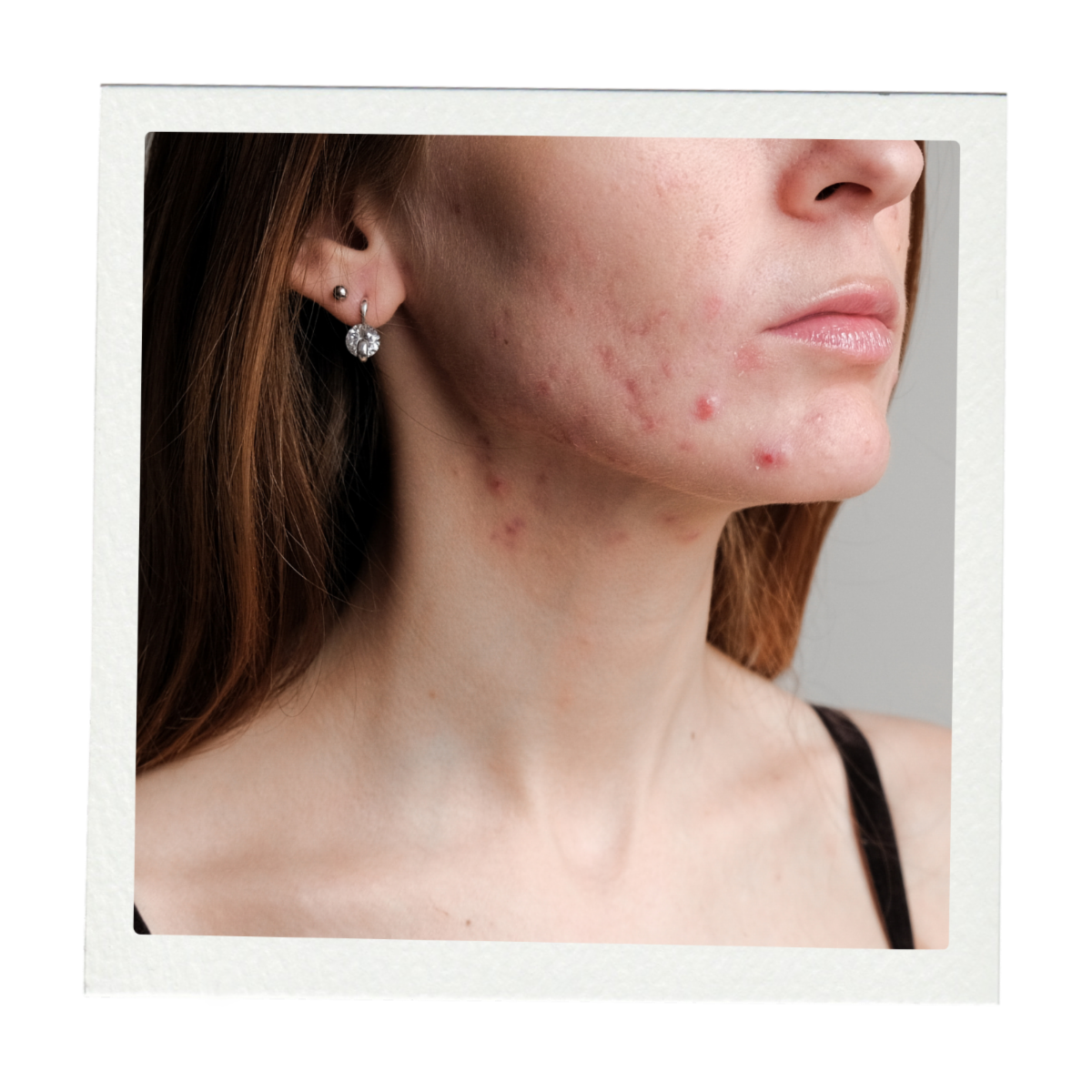
ACNE + CLOGGED PORES
Acne develops in part when excess oil, dead skin cells, and inflammation contribute to clogged pores.
Retinoids reduce acne breakouts by:
Decreasing oil production.
Increasing skin cell turnover, reducing the buildup of cells.
Exfoliating the skin and preventing the formation of clogged pores or comedones.
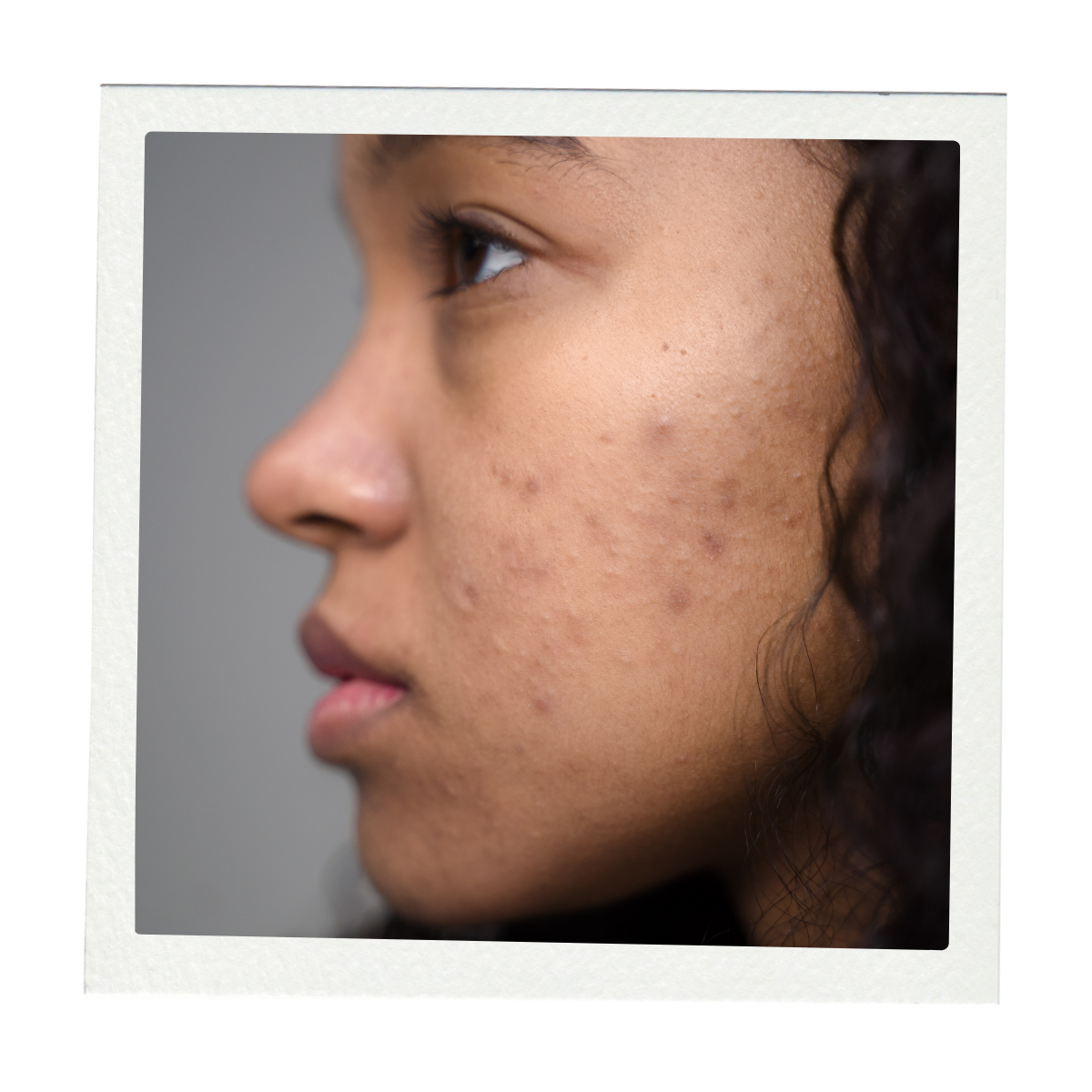
ACNE SCARRING + HYPERPIGMENTATION
Even after acne has resolved it can leave uneven texture, pitted areas and hyperpigmentation.
Retinoids improve scarring by:
Stimulating collagen to improve the uneven texture.
Exfoliation and increased cell turnover helps to improve residual hyperpigmentation.
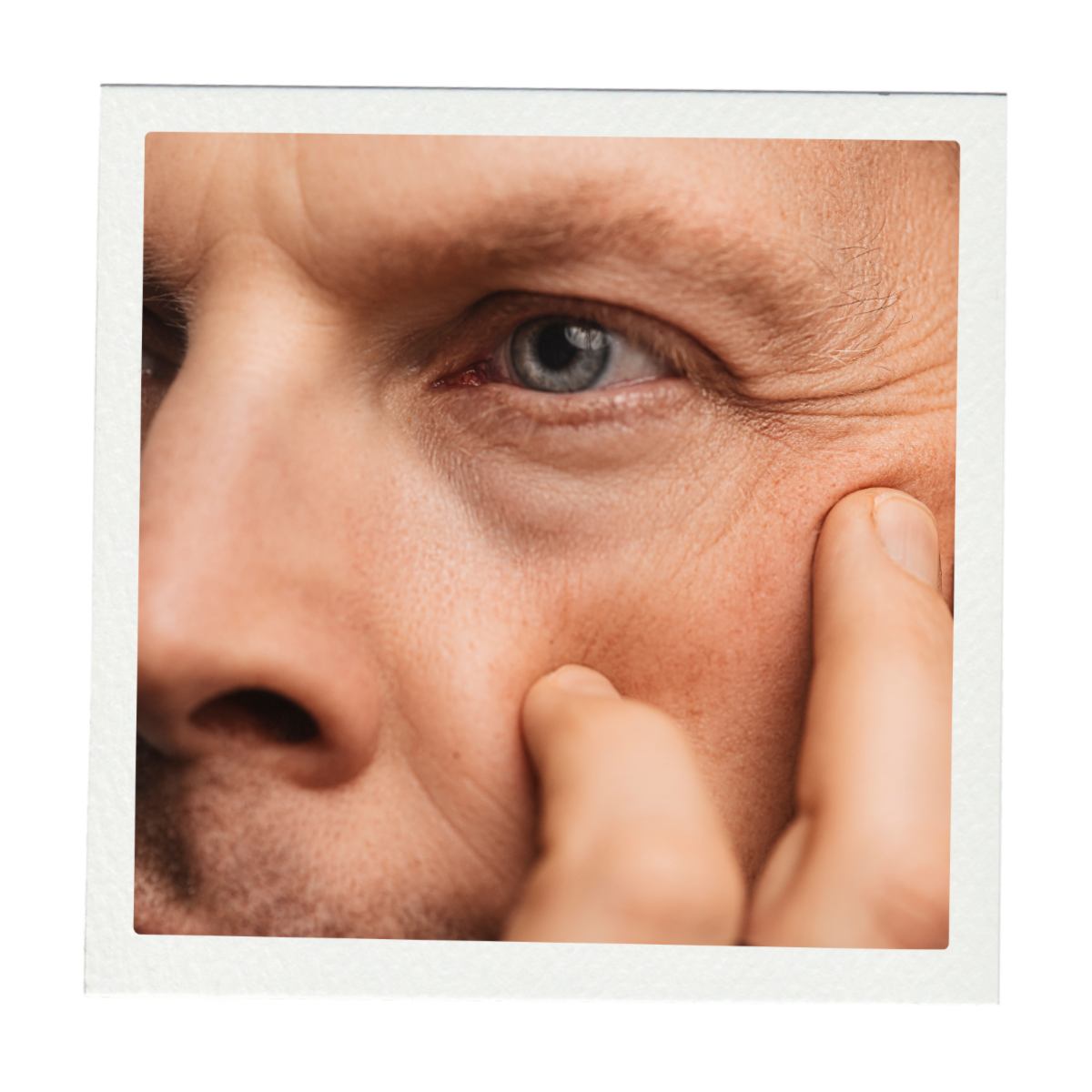
FINE LINES + WRINKLES
Visible signs of aging are influenced by declining collagen production, cumulative sun exposure, and slower skin cell turnover.
Retinoids improve wrinkles by:
Stimulating collagen production which helps thicken the deeper dermal layer of the skin which reduces fine lines and crepiness.
UNEVEN TEXTURE + DULLNESS
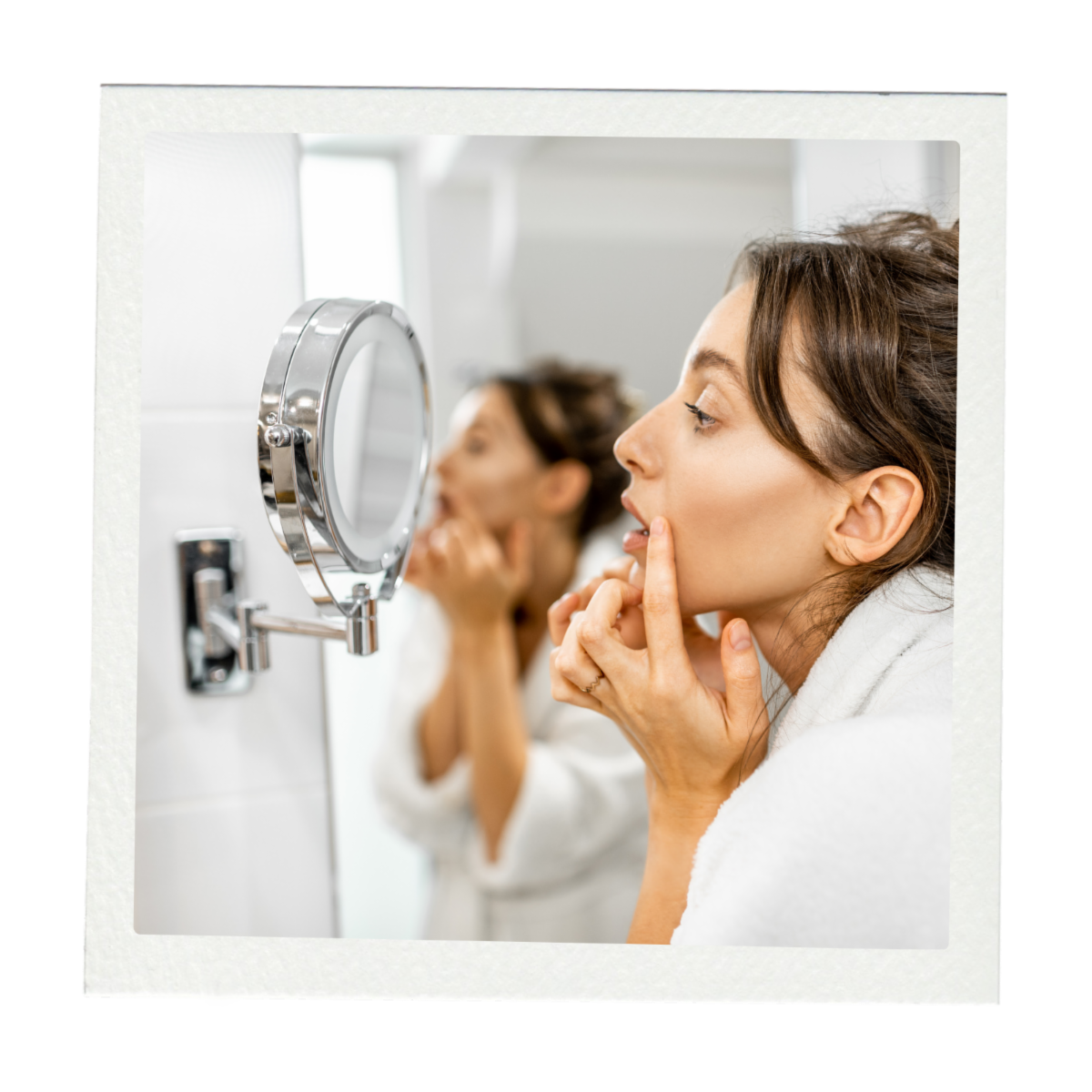
As skin cell turnover slows, dead skin cells can accumulate on the surface, contributing to roughness, uneven texture and a dull appearance.
Retinoids give the skin an improved glow by:
Increasing cell turnover and exfoliation of the epidermis to help remove dull skin.
Over time, this can contribute to a smoother more radiant-looking complexion.
UNEVEN SKIN TONE
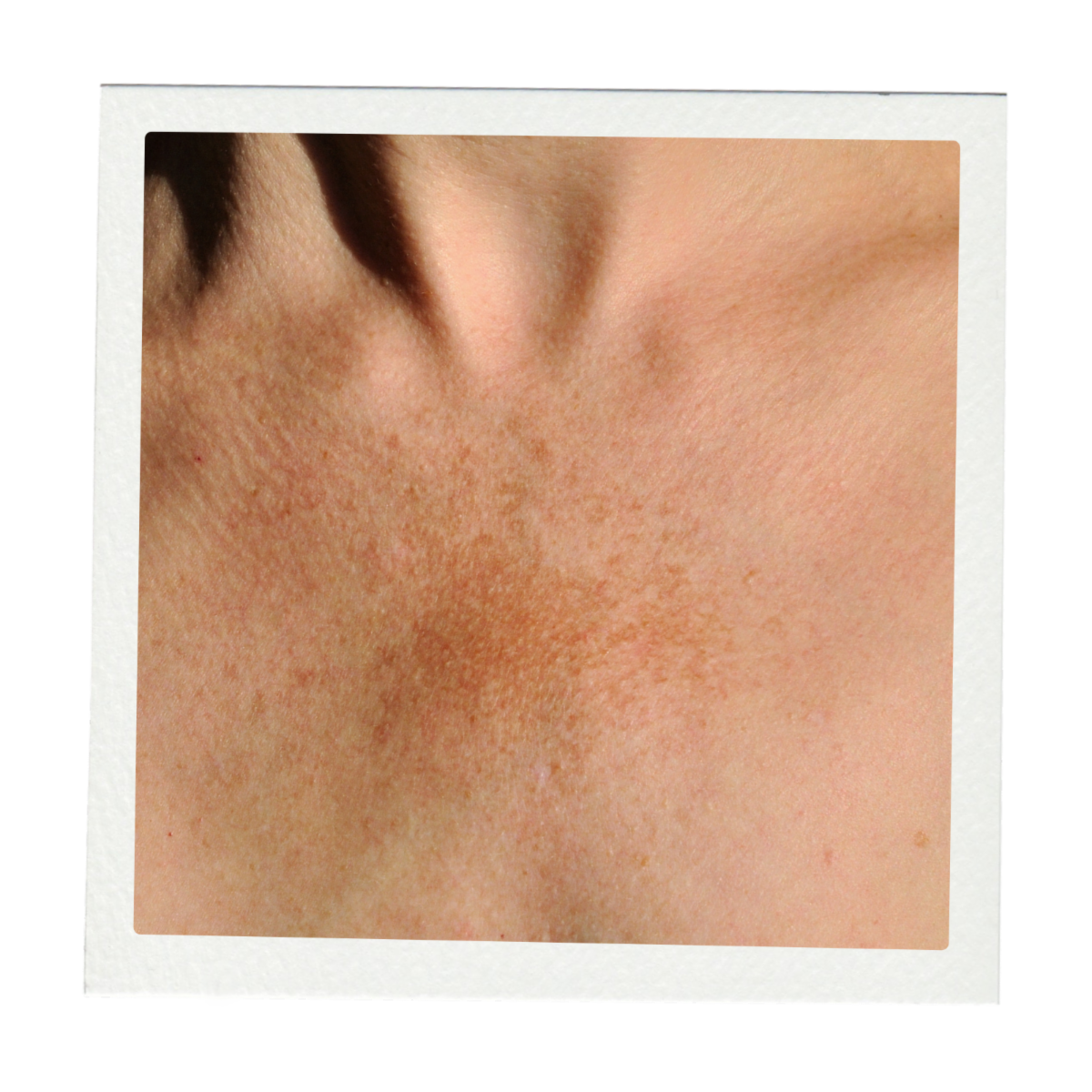
Discoloration can result from years of sun exposure, inflammation, acne, and other factors that stimulate excess pigment production.
Retinoids can treat uneven pigmentation by:
Increasing cell turnover and helping pigmented cells move more quickly toward the skin's surface.
Improve the penetration and effectiveness of other prescription and over-the-counter lightening agents.
PHOTOAGING + SUN-RELATED SKIN CHANGES
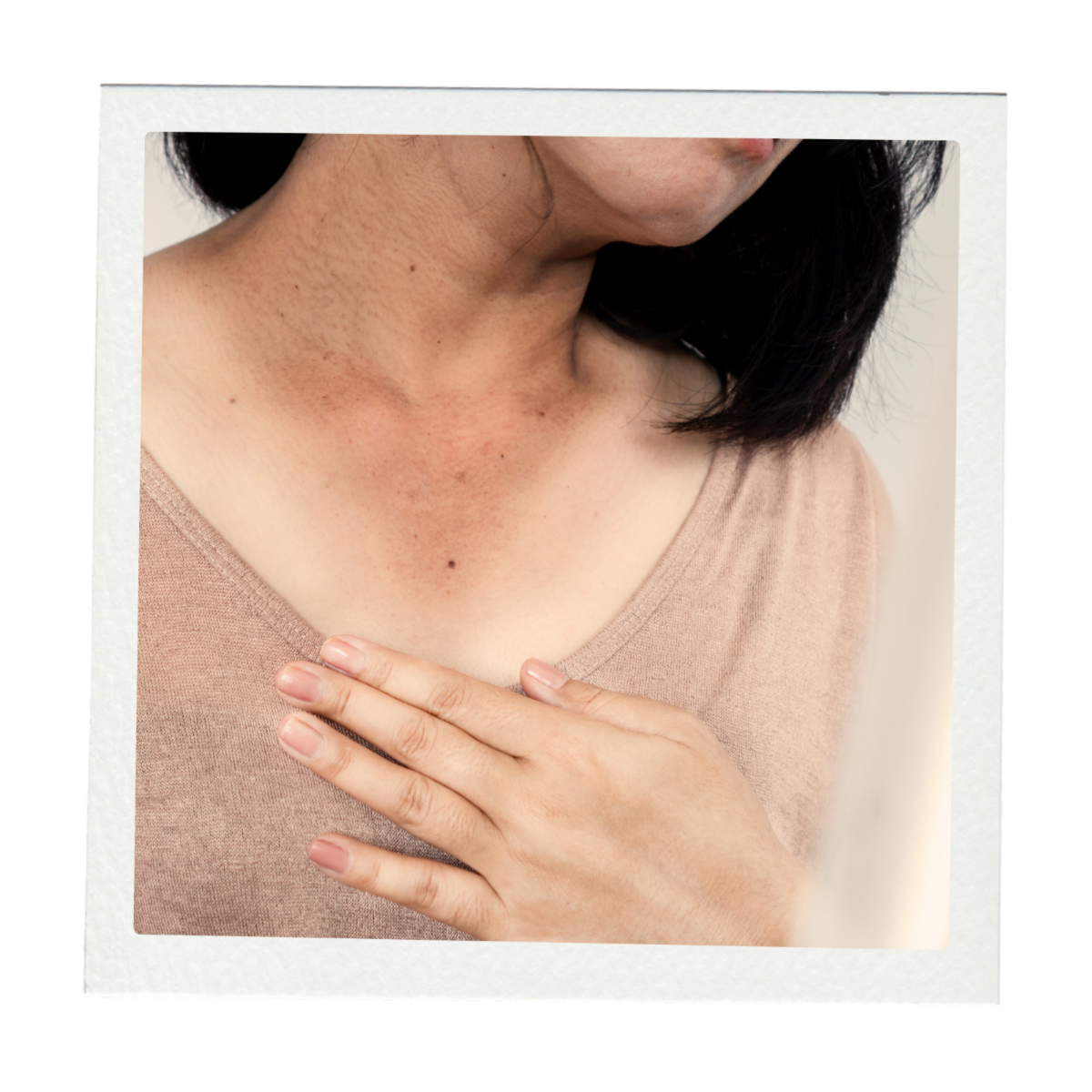
Years of cumulative UV exposure can contribute to collagen breakdown, fine lines, uneven pigmentation, and changes in skin texture.
Retinoids can help reverse some sun damage by:
Supporting collagen production and healthy skin renewal.
Exfoliating the sun damaged outer layer of the skin.
Increasing cell turnover.
MEET SKINBETTER ALPHARET®
Retinoid benefits, thoughtfully formulated for tolerability.
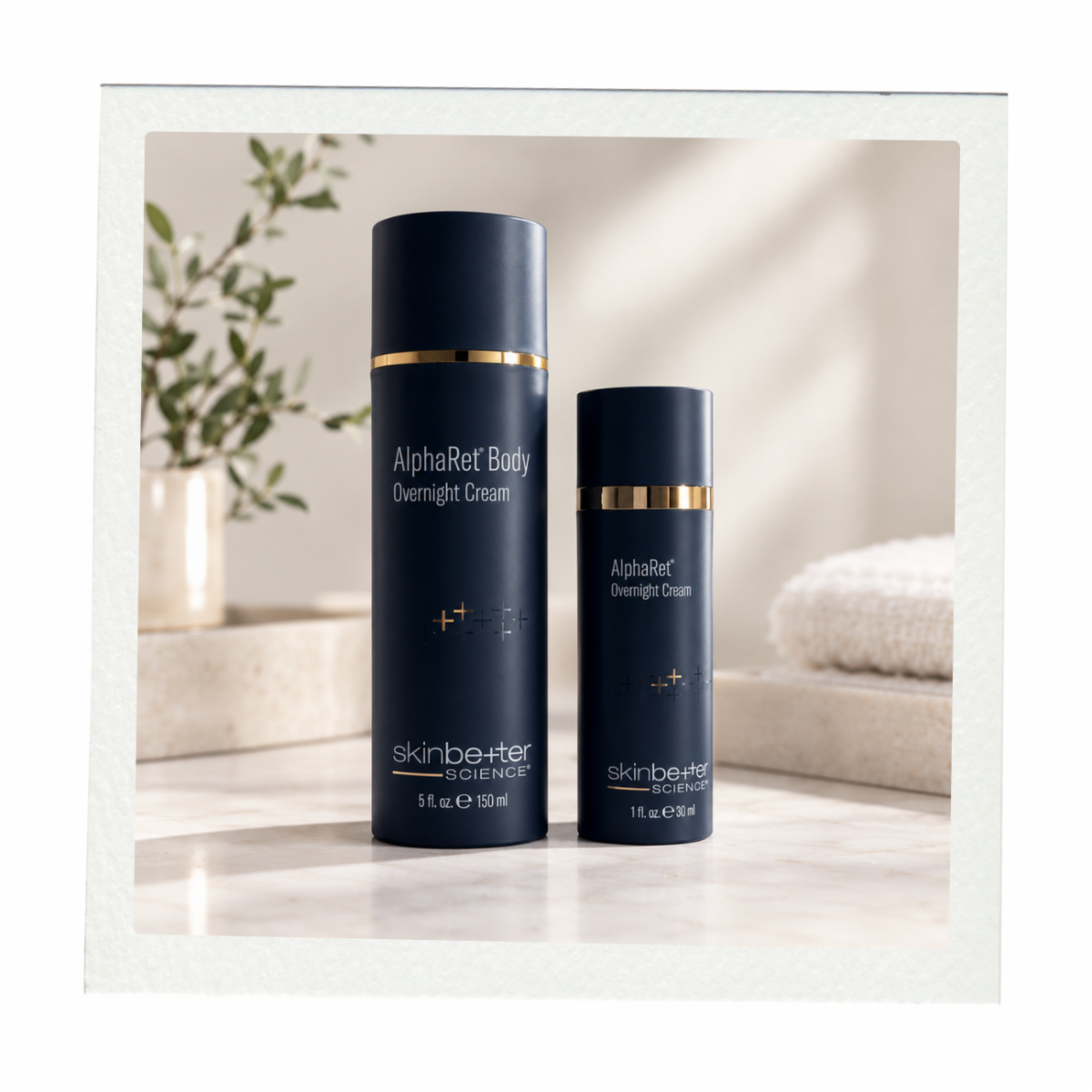
For patients looking for an effective retinoid option that may be easier to tolerate, our team may recommend skinbetter science AlphaRet® Overnight Cream.
AlphaRet combines a retinoid with SkinBetter's proprietary AlphaRet technology to support visible skin renewal while helping minimize the irritation often associated with retinoid use.
NEW CLINICAL DATA
In a recent 12-week clinical study of retinoid-intolerant patients:
98% agreed AlphaRet was suitable for nightly use
42% increase in hydration was observed at 12 weeks
0 adverse events were reported
AlphaRet is available in formulations designed for both the face and body, making it an option for more than just your facial skin care routine.
Real-life application: If you've tried a retinoid before and stopped because of irritation, or are scared to try one due to potential side effects, you have to try this product. You will absolutely LOVE it!

START SLOWLY
Depending on the strength of the retinoid we recommend starting 1-3 times per week and then gradually increasing as tolerated to every other night with a prescription product and possibly nightly with a mild over-the-counter products.

USE A SMALL AMOUNT
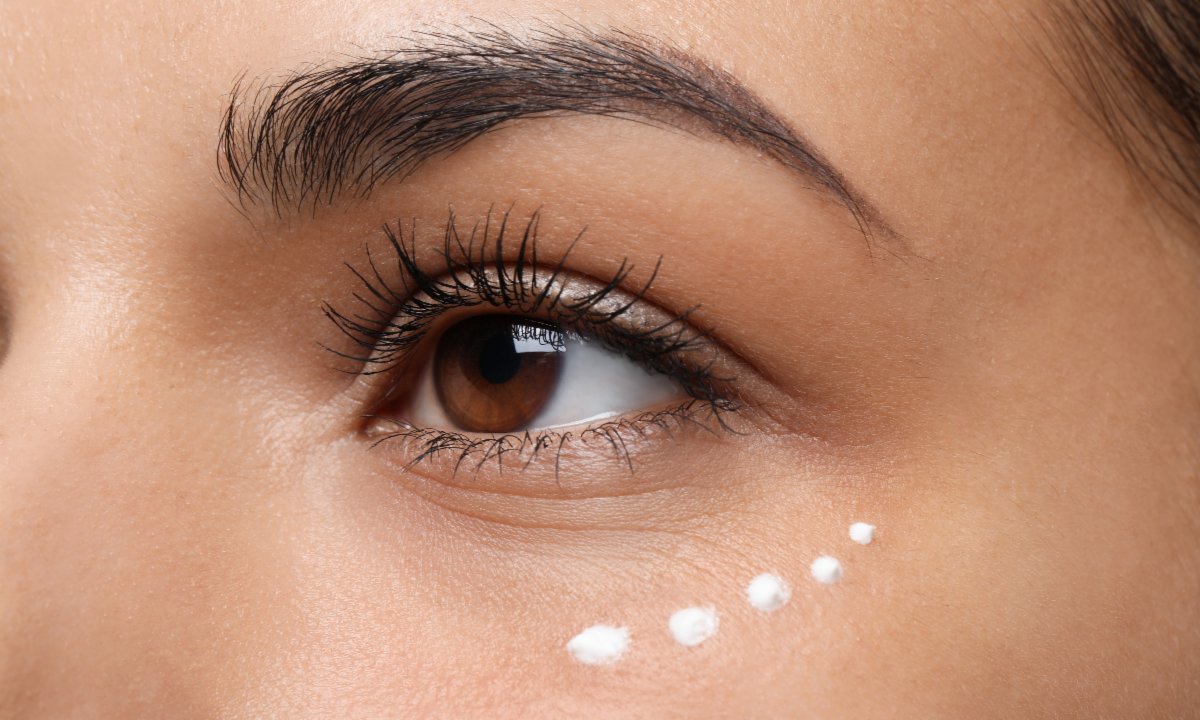
Less is more when it comes to retinoids. Two pea sized dots is enough for your entire face.

MOISTURIZE
Always apply a moisturizer on top of your retinoid to increase tolerability.

DON'T OVER DO IT
Introducing multiple exfoliating or active ingredients at once can increase irritation. Avoid Benzoyl peroxide, AHA, or other exfoliating products at the same time as a retinoid. Keep your routine simple.

BE CONSISTENT
Retinoids are a long-game ingredient. Consistent use over time is more important than using too much too quickly.

PROTECT YOUR SKIN
It is important to use a daily SPF 30 or higher when using a retinoid.
YOUR RETINOID ROUTINE SHOULD BE PERSONALIZED
There is no single retinoid that is right for every patient.
Whether you're managing acne, addressing early signs of aging, improving texture, or looking for a more proactive approach to skin health, our team at SKN Dermatology can help determine which retinoid — and which overall routine — makes sense for you.
Not sure where to start? Schedule a complimentary consultation with our aestheticians and they can help select the right products for you.