
Understanding Rosacea — and the Most Advanced Treatment Options Available Today
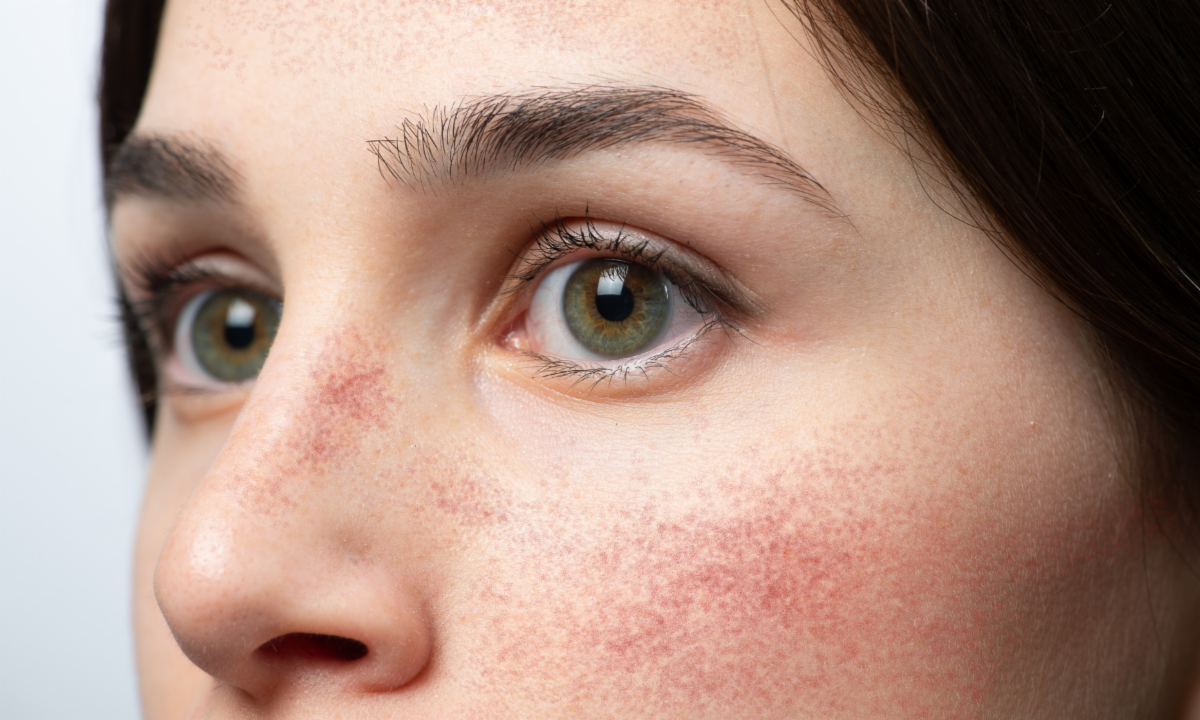
APRIL IS NATIONAL ROSACEA AWARENESS MONTH
Rosacea is a chronic inflammatory skin condition affecting an estimated 16 million Americans, yet it remains widely misunderstood. Characterized by facial redness, flushing, visible blood vessels, and sometimes acne-like bumps, rosacea can significantly impact comfort, confidence, and quality of life.
At SKN Dermatology, Rosacea Awareness Month is an opportunity to educate, empower, and share the most up-to-date, science-backed treatment options—including emerging therapies such as microdosing of Botox to treat Rosacea.
In this blog, we’ll explore:
The different types of rosacea and why accurate diagnosis matters
Medical and skincare treatments that help control redness, inflammation, and flares
In-office procedures like IPL for visible blood vessels and persistent redness
Emerging science behind micro-dosed Botox for rosacea-related flushing
The Four Main Types of Rosacea
Rosacea presents differently from patient to patient, which is why accurate diagnosis is essential to direct appropriate treatment.
Erythematotelangiectatic Rosacea (ETR)
Flushing form of Rosacea
Persistent facial redness and frequent flushing
Visible broken blood vessels on the checks, nose or chin
Sensitive, reactive skin that turns red easily
Papulopustular Rosacea
Inflammatory form of Rosacea
Red pimple like bumps and/or pustules often mistaken for acne
Central face involvement
Background redness and inflammation
Ocular Rosacea
Red, irritated, or dry eyes
Lid inflammation and light sensitivity
Can be associated with skin findings or alone
Often overlooked without dermatologic evaluation
Phymatous Rosacea
Thickened, irregular skin texture
Most commonly affects the nose (rhinophyma)
Uncommon, more frequent in men
Most patients experience overlap between subtypes, which is why treatment must be customized rather than one-size-fits-all.
Treatment Options for Rosacea
Effective rosacea management often combines medical therapy, targeted procedures, and supportive skincare.
Medical Treatment Options
Prescription Topical Creams are available to treat and maintain Rosacea.
Metronidazole – reduces inflammation and redness
Azelaic acid – helps with redness, bumps, and skin texture
Ivermectin – targets inflammatory lesions and Demodex mites
Oxymetazoline – temporarily constrict blood vessels to reduce persistent redness
Prescription Oral Medications (for moderate to severe disease)
Low-dose Doxycycline or Minocycline – anti-inflammatory effect for the acne component of rosacea
Prescription Oral Isotretinoin/Accutane
Used less frequently for more refractory or severe cases
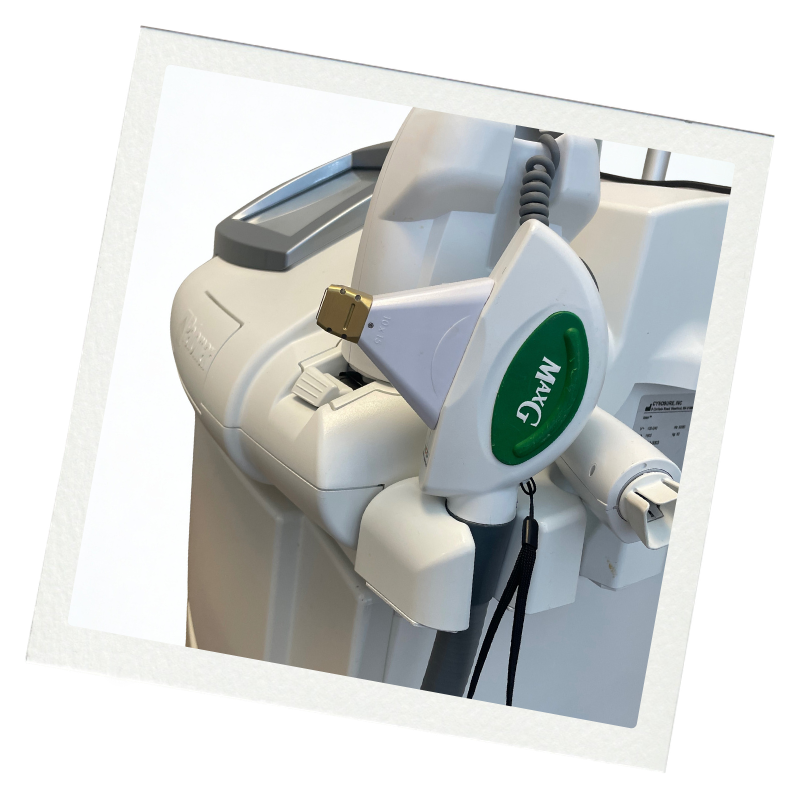
Procedural Treatment Option
IPL (Intense Pulsed Light) remains a gold-standard treatment for rosacea-related redness and broken blood vessels. By targeting hemoglobin within superficial blood vessels, IPL helps:
Reduce redness
Improve visible dilated or broken blood vessels (telangiectasias)
Calm flushing over a series of treatments
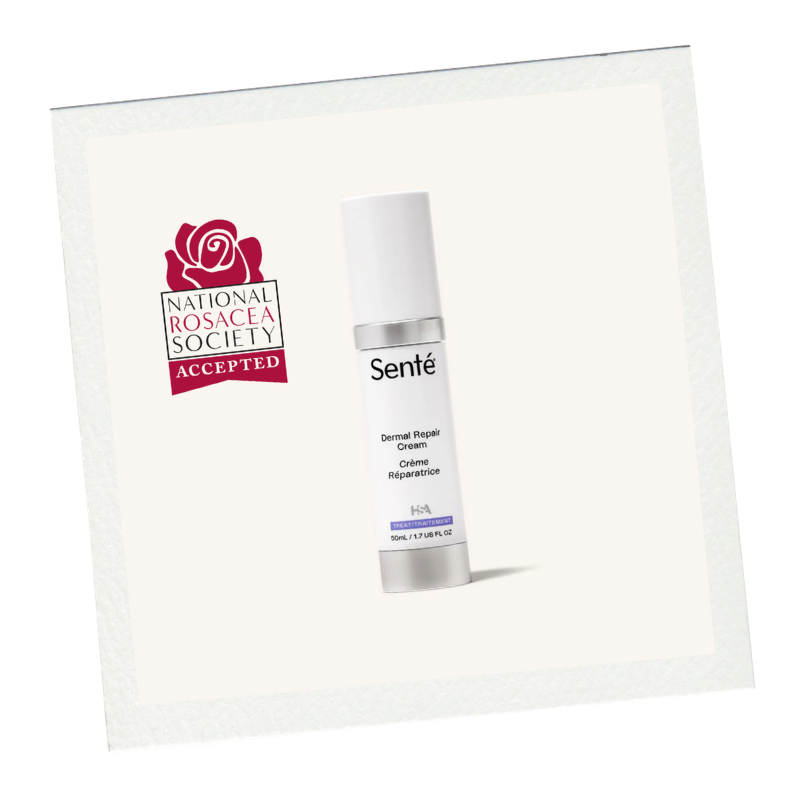
Skincare Product Options
SENTÉ Dermal Repair Cream: Formulated with patented Heparan Sulfate Analog technology, this barrier-repair moisturizer helps calm inflammation, reduce redness, and strengthen compromised skin, making it ideal for rosacea-prone patients.
Epionce Renewal Cream: A lipid-rich, anti-inflammatory moisturizer designed to restore the skin barrier while minimizing irritation and transepidermal water loss, key factors in rosacea flares.
A Breakthrough Approach: Botox for Rosacea-Associated Flushing
One of the most exciting new developments in rosacea treatment involves micro-dosed intradermal botulinum toxin—a technique gaining increasing scientific support.
What the Science Shows
Recent research demonstrates that superficial intradermal botulinum toxin may reduce rosacea-related flushing and redness through neurovascular and anti-inflammatory mechanisms.
Key findings include:
Inhibition of mast cell degranulation, reducing inflammatory signaling
Decreased vasodilation (dilation of blood vessels) responsible for flushing
Improved clinician- and patient-reported erythema (redness) scores
A 2024 systematic review and meta-analysis published in Dermatologic Surgery evaluated nine studies and found statistically significant improvement in flushing and erythema within one month of treatment.
What’s New & Cutting Edge
At the recent American Academy of Dermatology Annual Meeting in Denver, attended by our board-certified dermatologists in late March, updated data was presented on precise micro-dosing techniques. These protocols involve carefully distributing small amounts of botulinum toxin across the bilateral central cheeks to reduce flushing while preserving natural facial movement.
This approach reflects a shift toward precision dermatology, leveraging advanced understanding of skin neurobiology to treat rosacea more effectively and safely than ever before.
Our Commitment to Staying Ahead
At SKN Dermatology, our physicians regularly attend national conferences and review emerging literature to ensure our patients benefit from the most current, evidence-based treatments available, not trends, but therapies grounded in data.
If rosacea or facial flushing is affecting your skin or confidence, we invite you to schedule a consultation to explore a personalized treatment plan designed for your specific subtype and triggers.