
Curious About Red Light Therapy? Here’s What to Know!
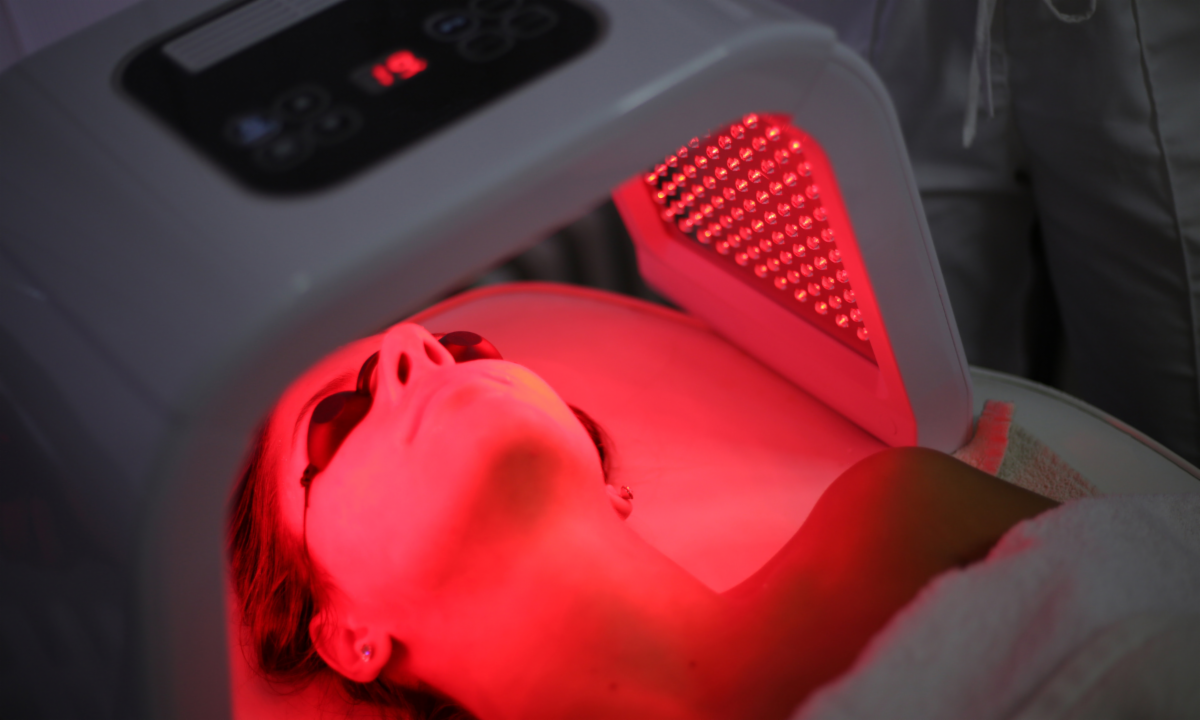
RED LIGHT THERAPY: WHAT'S REAL—AND WHAT IS JUST HYPE?
Red light therapy seems to be everywhere—from dermatology offices to at-home devices and social media feeds promising clearer, younger-looking skin. With so many claims circulating, it can be difficult to know what’s supported by science and what’s simply marketing hype.
At SKN Dermatology, our team of board-certified dermatologists and licensed medical aestheticians is committed to helping patients separate fact from fiction. Below, we break down what red light therapy really does, what it doesn’t do, and how it may fit into a comprehensive skincare plan.
In this blog, we’ll explore:
How red light therapy works at the cellular level
What concerns it can realistically improve
Why results take time
Safety considerations
How to evaluate at-home versus professional devices
THE SCIENCE BEHIND RED LIGHT THERAPY
Truth #1: Red light therapy has real, measurable effects on skin
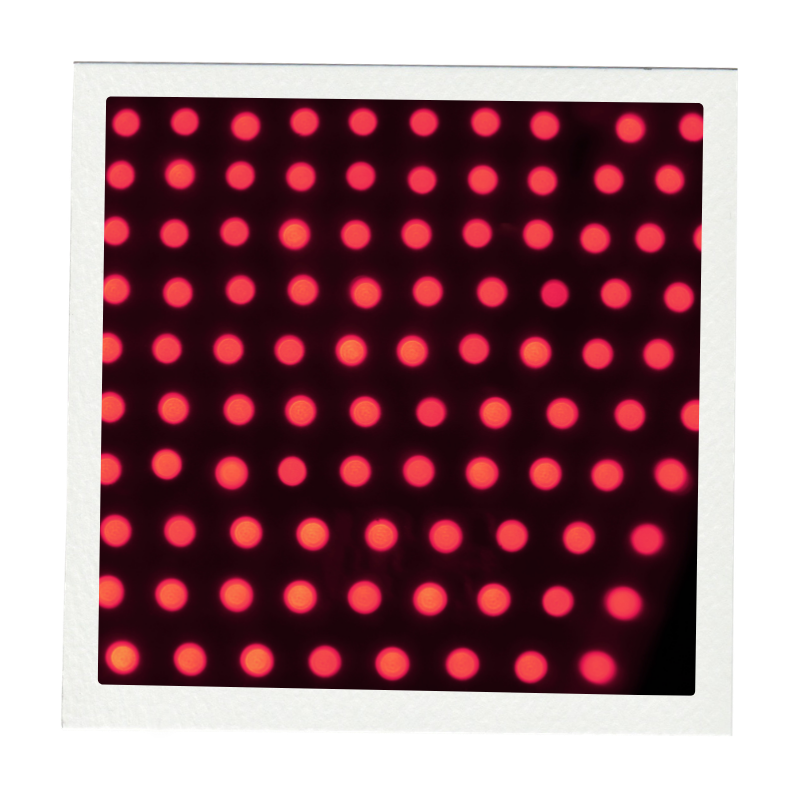
Red light therapy uses specific wavelengths of red and near-infrared light that penetrate deeper into the skin than regular visible light. Research shows these wavelengths interact with skin cells at the mitochondrial level, helping cells produce more energy.
Why does that matter? Increased cellular energy has been shown to:
Stimulate fibroblasts, the cells responsible for collagen production
Reduce inflammatory signals in the skin
Support tissue repair and wound healing
These effects make red light therapy a helpful option for concerns such as fine lines, mild acne, redness, and post-procedure healing.
REDUCING INFLAMMATION & SUPPORTING HEALING
Truth #2: It can help calm inflammation and promote recovery
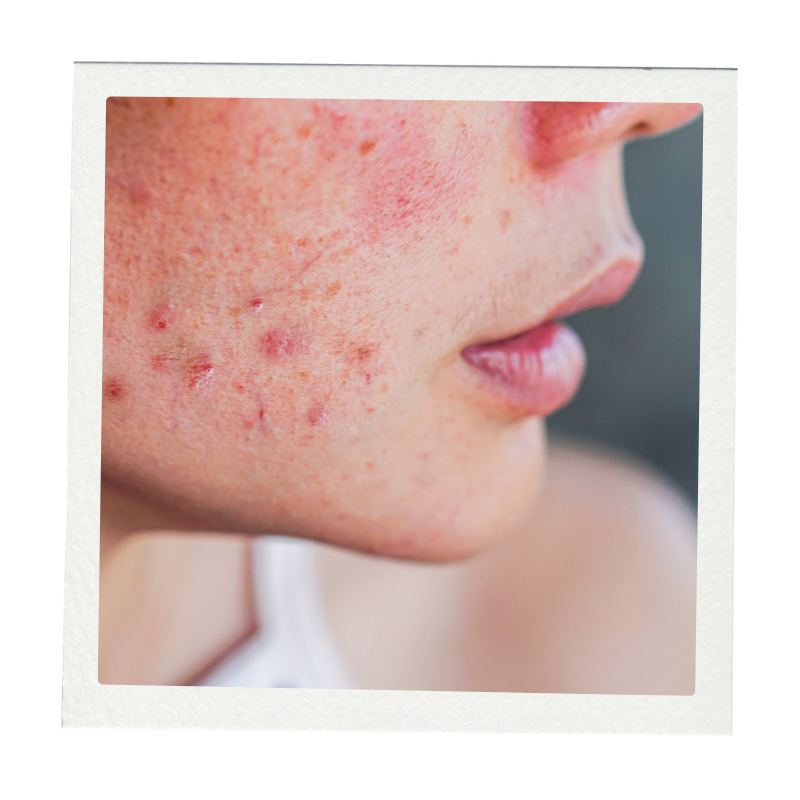
Multiple studies demonstrate that red light therapy can decrease inflammatory markers while improving circulation and oxygen delivery to tissues.
This combination helps explain why it has been shown to:
Reduce redness and irritation
○ Particularly helpful for inflammatory skin conditions such as acne and rosacea
Improve wound healing
○ Often used to support recovery after dermatologic procedures
SETTING REALISTIC EXPECTATIONS
Truth #3: Results are gradual
Despite what advertisements may promise, red light therapy does not erase wrinkles, cure acne, or dramatically transform skin overnight. Clinical studies show improvements are gradual and modest, developing over weeks to months with consistent use.
If a device or treatment promises dramatic results in just days, that’s a red flag.
SAFETY CONSIDERATIONS
Truth #4: It’s generally safe when used correctly
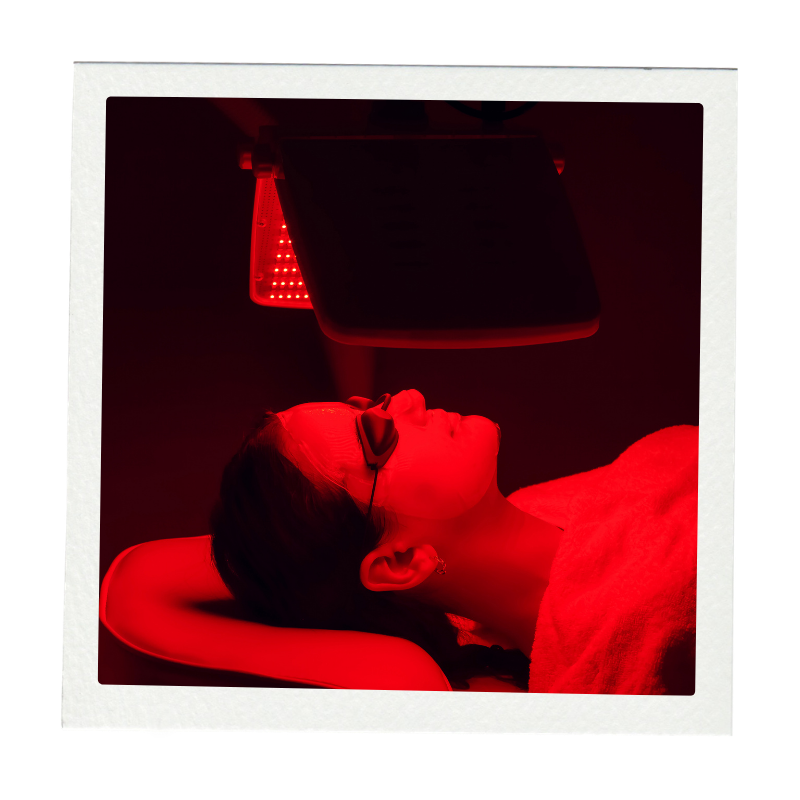
Red light therapy is non-invasive and does not use ultraviolet (UV) light, so it does not increase skin cancer risk. When used according to guidelines, side effects are uncommon.
However, excessive exposure or poorly manufactured devices may lead to skin irritation or eye discomfort—another reason professional guidance matters.
NOT ALL DEVICES ARE CREATED EQUAL
Truth #5: Device quality matters
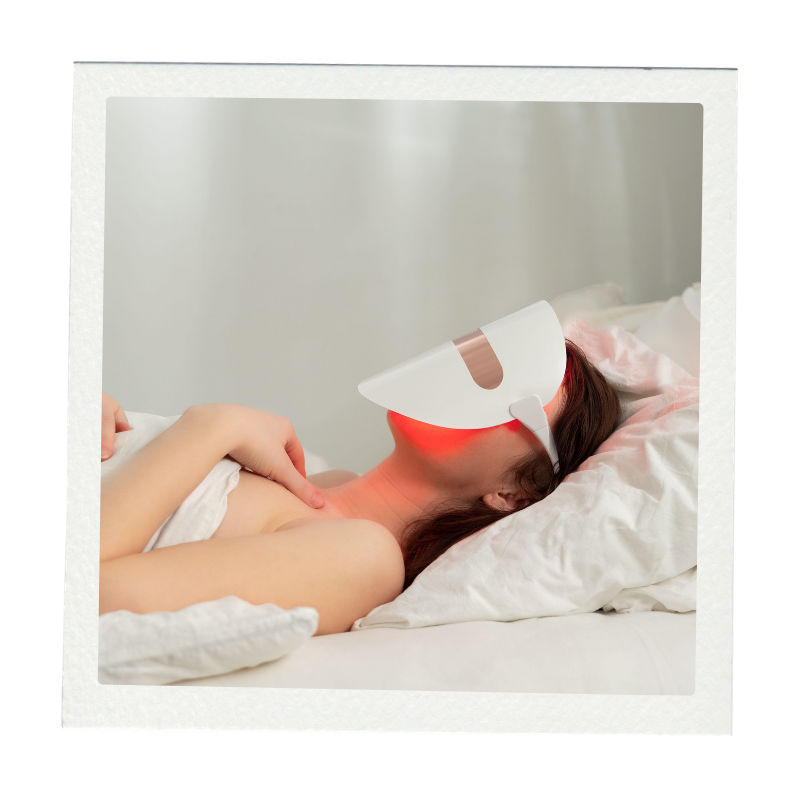
Effective red light therapy depends on precise wavelengths and adequate energy output. While many at-home devices emit red light, some lack the strength needed to deliver meaningful skin benefits.
Professional treatments and medical-grade devices are designed to meet specific standards, which can influence both safety and results.
WHAT DERMATOLOGY EXPERTS SAY
The American Academy of Dermatology acknowledges that red light therapy shows promise for improving skin texture, reducing inflammation, and aiding healing—but emphasizes that it is not a cure-all.
The AAD encourages patients to be cautious of exaggerated claims and to view red light therapy as a supportive tool, not a replacement for proven medical treatments or consistent skincare habits.
THE BOTTOM LINE
Red light therapy is a legitimate, science-backed option that can support healthier skin when used appropriately. While clinical data is still evolving, results are promising—especially when red light therapy is part of a comprehensive plan that includes sun protection, prescription topical treatments, medical-grade skincare products, and in-office procedures.
If you’re curious whether red light therapy may be right for you, our team at SKN Dermatology is always happy to guide you with personalized, evidence-based recommendations.