
May Is Skin Cancer Awareness Month Prevention, Protection & Early Detection
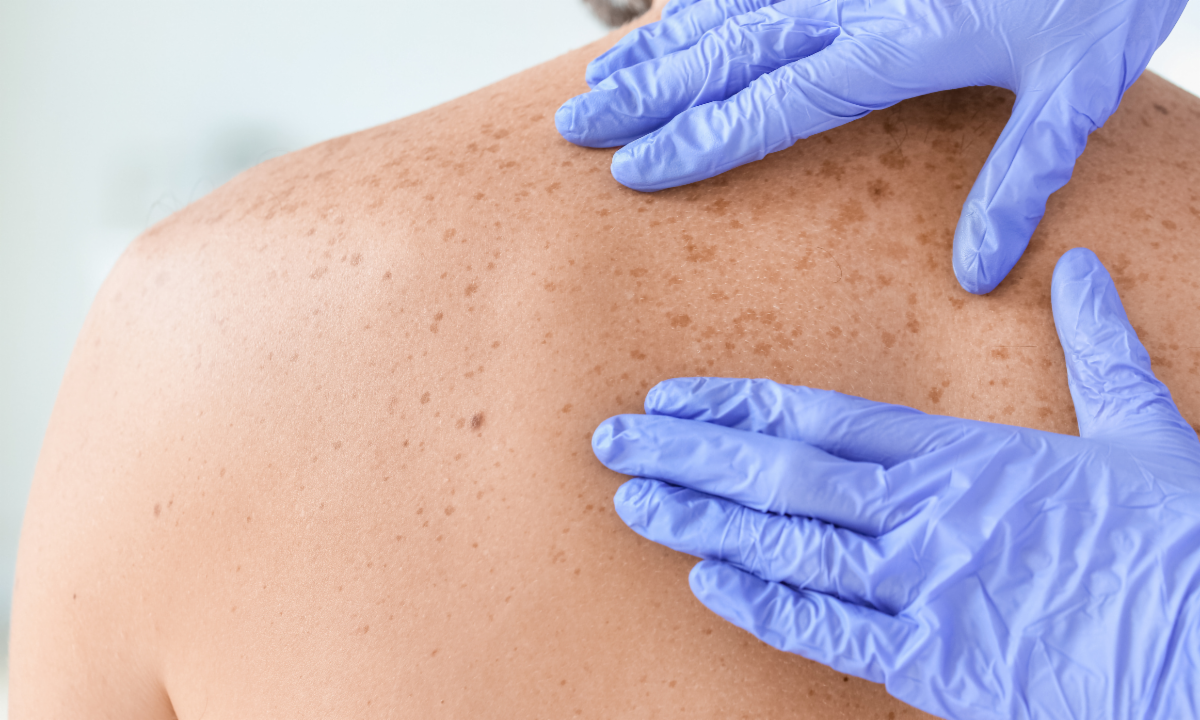
MAY IS SKIN CANCER AWARENESS MONTH
May is Skin Cancer Awareness Month, an important reminder to prioritize prevention, early detection, and daily sun protection. Skin cancer is the most common cancer in the United States, but it is also one of the most preventable when healthy habits and regular skin exams are part of your routine.
Living in Colorado means enjoying abundant sunshine and an active outdoor lifestyle year-round, but our higher altitude and increased UV exposure also place us at greater risk for sun damage and skin cancer. As we head into the summer months, now is the perfect time to refresh your sun protection habits, become familiar with the warning signs of skin cancer, and schedule your annual skin exam.
In this blog, we’ll explore:
The warning signs of melanoma, basal cell carcinoma, and squamous cell carcinoma
The ABCDEs of melanoma detection
Everyday sun protection tips for Colorado summers
The importance of annual full-body skin exams
Highlights from our Healthy Skin Is In event
Understanding Melanoma
The first Monday of May is recognized as Melanoma Monday, which highlights awareness of melanoma, the most serious form of skin cancer. Melanoma can be life threatening, even in healthy young individuals, however, when detected early, it is highly treatable.
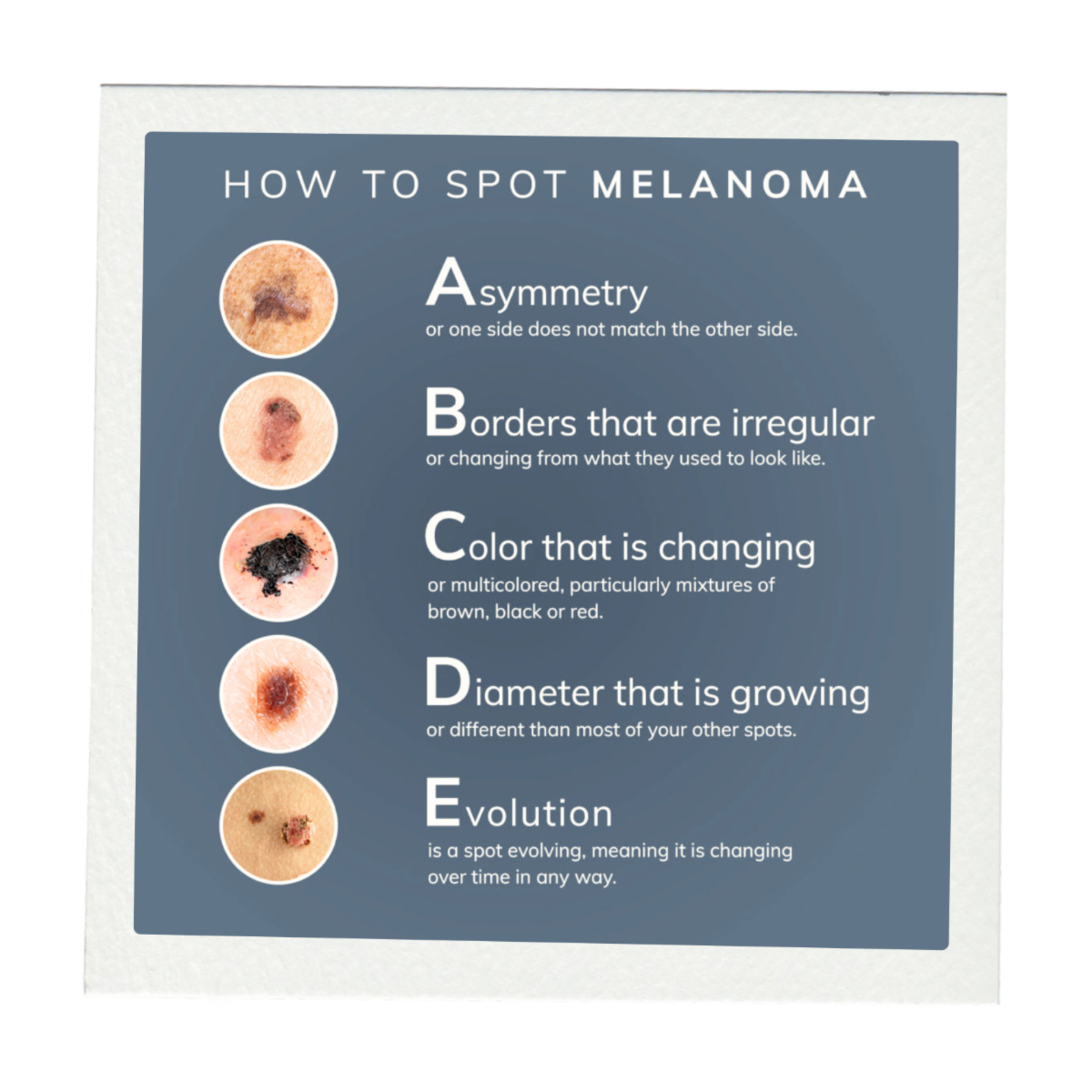
Melanoma often presents as a new or changing dark spot or mole and can occur anywhere on the body, even in areas that receive little sun exposure. One of the most important tools for early detection is becoming familiar with the “ABCDEs” of melanoma:
Asymmetry
Border irregularity
Color variation
Diameter greater than 6mm
Evolution, meaning any change over time
If you notice a lesion that looks different from others or changes in size, shape, or color, it is important to schedule an evaluation with your board-certified dermatologist at SKN Dermatology.
THE MOST COMMON TYPES OF SKIN CANCER
In addition to melanoma, the two most common types of skin cancer are Basal Cell Carcinoma (BCC) and Squamous Cell Carcinoma (SCC).
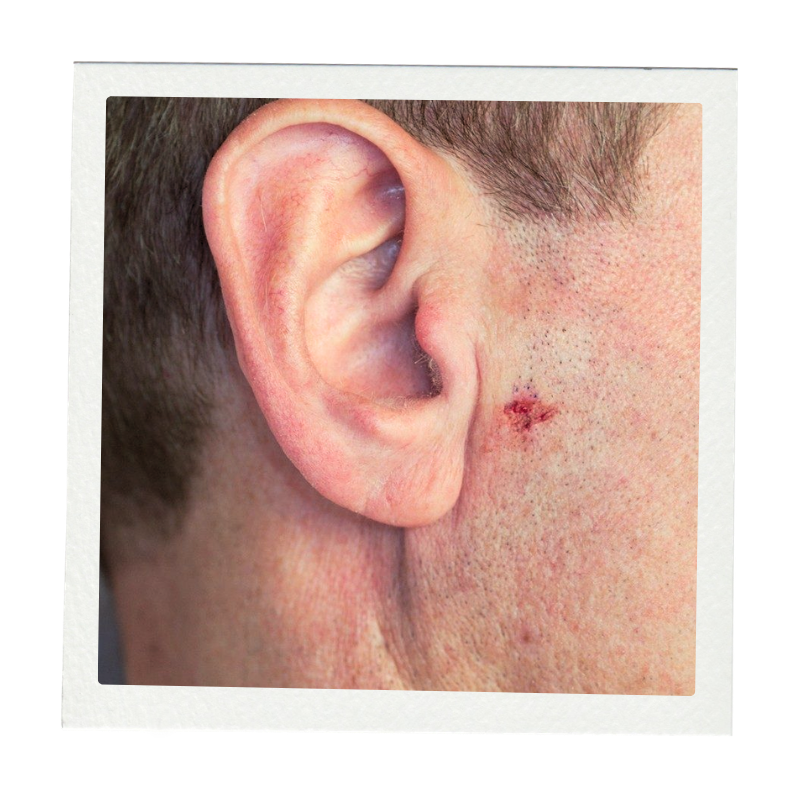
Basal Cell Carcinoma often appears as a pink, shiny bump that slowly grows and may bleed or fail to fully heal. Many patients mistake these spots for a persistent pimple or irritated area that simply won’t go away.
Squamous Cell Carcinoma may appear as a rough, scaly, or crusted lesion that can become tender or continue growing over time. Both BCC and SCC commonly develop on highly sun-exposed areas such as the face, neck, chest, arms, and hands.
While these skin cancers are generally less aggressive than Melanoma and are rarely life threatening, they often require surgical treatment. Detecting them early can help minimize scarring and preserve the appearance of cosmetically sensitive areas.
SUN PROTECTION IN COLORADO
Living in Colorado means we experience higher UV exposure due to both elevation and the large number of sunny days throughout the year. We are fortunate to enjoy an incredible outdoor lifestyle, from afternoons at the pool to tennis matches and hiking trails, but protecting your skin should always be part of your daily routine.
As we head into summer and spend more time outdoors, a few simple habits can go a long way:
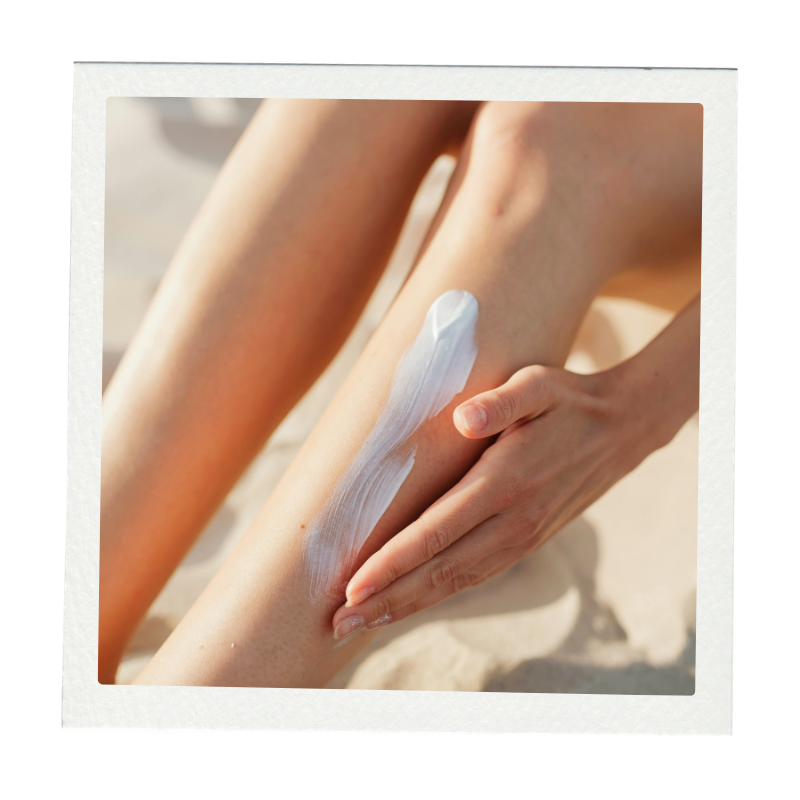
Wear a broad-spectrum sunscreen with SPF 30 or higher every day, even on cloudy days. Reapply every two hours when outdoors, especially after swimming or sweating.
Lotion sunscreens work well as a base layer, while sticks, sprays, and powders are excellent for easy reapplication throughout the day.
Wear protective clothing such as rash guards, UPF-rated athletic apparel, wide-brimmed hats, or visors.
Lightweight sun-protective clothing options are more stylish and comfortable than ever, making daily protection easier.
If you’re spending time outside, wearing a hat consistently can help protect your face, scalp, and neck from cumulative sun damage.
Don’t forget commonly missed areas including the ears, lips, scalp, neck, and backs of the hands.
Seek shade whenever possible, particularly between 10 a.m. and 4 p.m. when UV exposure is strongest.
Consider oral antioxidants like Heliocare, which contains Fernblock and Nicotinamide (Vitamin B3), as an additional layer of support alongside sunscreen.
Protect your eyes with UV-blocking sunglasses to help reduce UV-related damage around the delicate eye area.
THE IMPORTANCE OF SKIN CHECKS
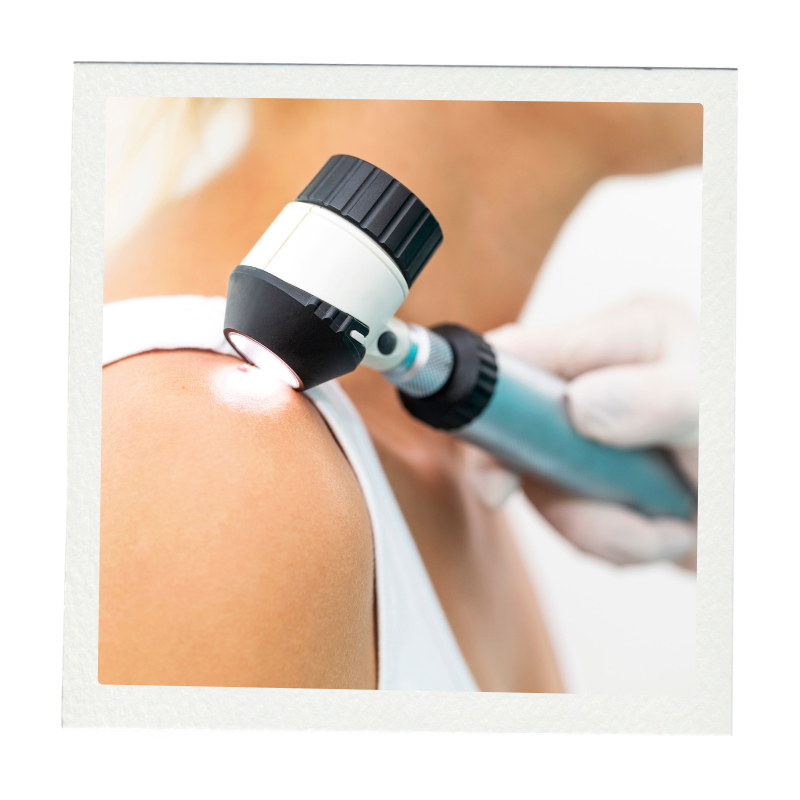
In addition to practicing daily sun protection, yearly full-body skin exams are one of the best ways to detect skin cancer early. A professional skin check allows your dermatologist to identify concerning lesions that may not be obvious to you and monitor changes over time. Our team of four board-certified dermatologists are here to help!
If you notice any new, changing, bleeding, or non-healing spots, it is important to schedule an appointment sooner rather than waiting for your annual exam.
Small, consistent habits can significantly reduce your risk of skin cancer while still allowing you to fully enjoy everything a Colorado summer has to offer.

THANK YOU FOR JOINING US FOR OUR HEALTHY SKIN IS IN EVENT
We also want to extend a heartfelt thank you to everyone who joined us for our Healthy Skin Is In event earlier this month. We loved spending the evening with our wonderful patients, community members, skincare partners, and friends while celebrating healthy skin together.
From educational conversations with our board-certified dermatologists and aestheticians to incredible giveaways, skincare demonstrations, wine, light bites, and time spent connecting with our community, the evening was such a success because of all of you.
We are so grateful for your continued trust and support, and we loved sharing such a fun and meaningful evening focused on skin health, confidence, and community. We look forward to seeing you at future events!