
Lasers, Explained: Finding the Right Treatment for Your Skin

LASERS, EXPLAINED — UNDERSTANDING WHICH TREATMENT IS RIGHT FOR YOUR SKIN
Laser and light-based treatments can address a wide range of skin concerns, but different technologies are designed to work in different ways. Some treatments primarily target color and superficial sun damage, while others stimulate collagen to improve texture, wrinkles, laxity, and scarring. Understanding the difference is an important first step in choosing the right treatment for your skin.
At SKN Dermatology, our physicians and aesthetic team take a personalized approach to laser treatments, considering your skin type, concerns, treatment area, other skin conditions, and desired results to determine which technology and treatment approach may be appropriate.
In this month's newsletter, we'll explore:
Photorejuvenation vs. skin resurfacing: Understanding the difference between these two approaches
IPL, Opus, and Helix Lasers
Choosing the right treatment: How your specific skin concern and treatment area help determine which technology may be appropriate
Important billing update
PHOTOREJUVENATION VS. SKIN RESURFACING
While both approaches can improve the overall appearance of the skin, they work differently and target different concerns.
PHOTOREJUVENATION
Color, redness, and superficial sun damage
Photorejuvenation lasers work superficially and target red and brown pigment in the skin that contribute to uneven-looking skin.
It can help address:
Brown spots and sun damage
Uneven skin tone
Facial redness
Visible small blood vessels
SKN Dermatology Treatment: Intense Pulsed Light (IPL)
SKIN RESURFACING
Texture, wrinkles, crepiness, and loss of collagen
Resurfacing lasers work more deeply and make tiny holes in the skin with different energy sources that cause microtrauma which stimulates the skin’s natural repair processes to produce new collagen.
They can help improve:
Fine lines and wrinkles
Skin texture
Laxity and loss of elasticity
Crepey skin
Acne scars and other scars
Deeper lines and more advanced signs of skin aging
SKN Dermatology Treatment: Opus Skin Resurfacting with Fractional Plasma & Helix CO2 + 1570nm Skin Resurfacing
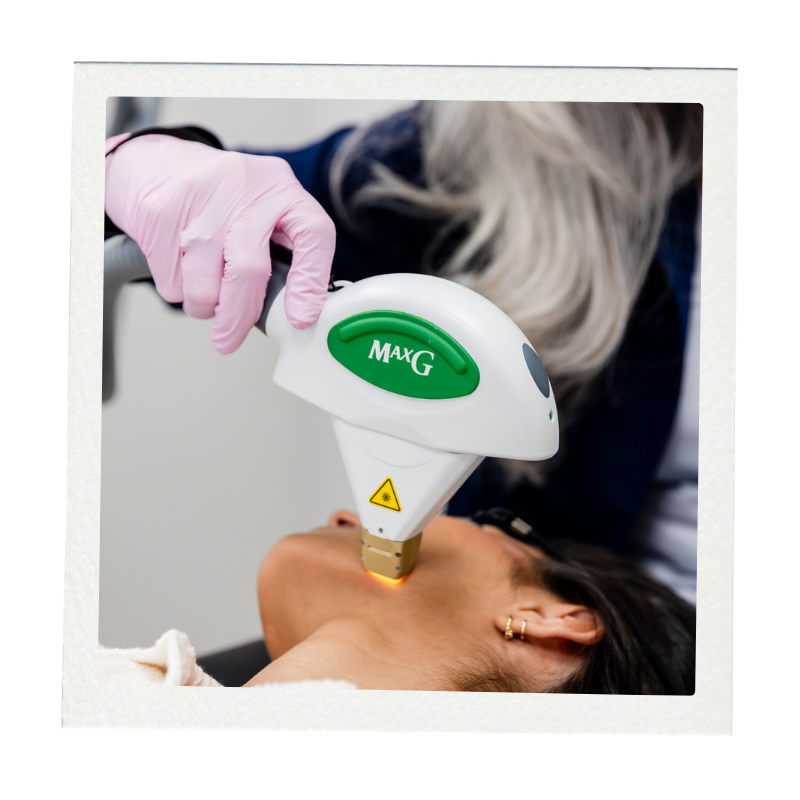
INTENSE PULSED LIGHT (IPL)
Light-based treatment that targets brown spots and redness beneath the surface of the skin.
Selectively breaks down pigmentation and visible capillaries, causing brown spots to peel off and blood vessels to get absorbed, revealing a clearer, more even complexion.
IPL can help improve:
Broken blood vessels on the face, particularly around the nose, chin, and central cheeks
Facial redness, including redness associated with rosacea
Brown spots from sun damage
Uneven-looking skin tone
Superficial signs of sun damage
Areas we commonly treat:
Face: Helps improve facial redness, visible blood vessels, and brown spots from sun damage.
Neck + chest: Helps address brown spots and superficial sun damage from cumulative sun exposure.
Hands + arms: Helps reduce the appearance of brown spots and uneven pigmentation from sun damage.
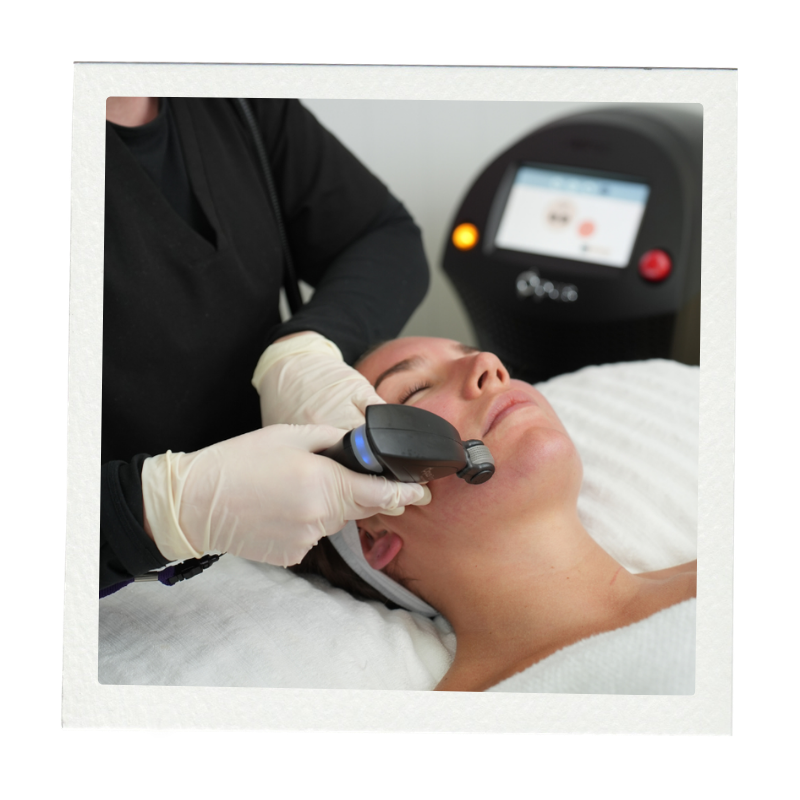
OPUS PLASMA
Opus Plasma is a non-ablative fractional radiofrequency treatment using plasma energy to create micro-channels in the skin and stimulate collagen production to improve the appearance of skin laxity and texture. It can be particularly useful in areas where skin tightening and collagen stimulation are the primary goals.
Opus Plasma can help address:
Skin laxity and mild to moderate loss of firmness
Fine lines and wrinkles
Crepey skin
Loss of elasticity
Areas where additional collagen stimulation is desired
Areas we commonly treat:
Face: Helps improve skin firmness and overall texture. Improves plumpness and glow.
Neck: A particularly useful area for addressing laxity and crepey texture.
Abdomen: Can help improve crepey skin and loss of elasticity, including changes that may occur after pregnancy.
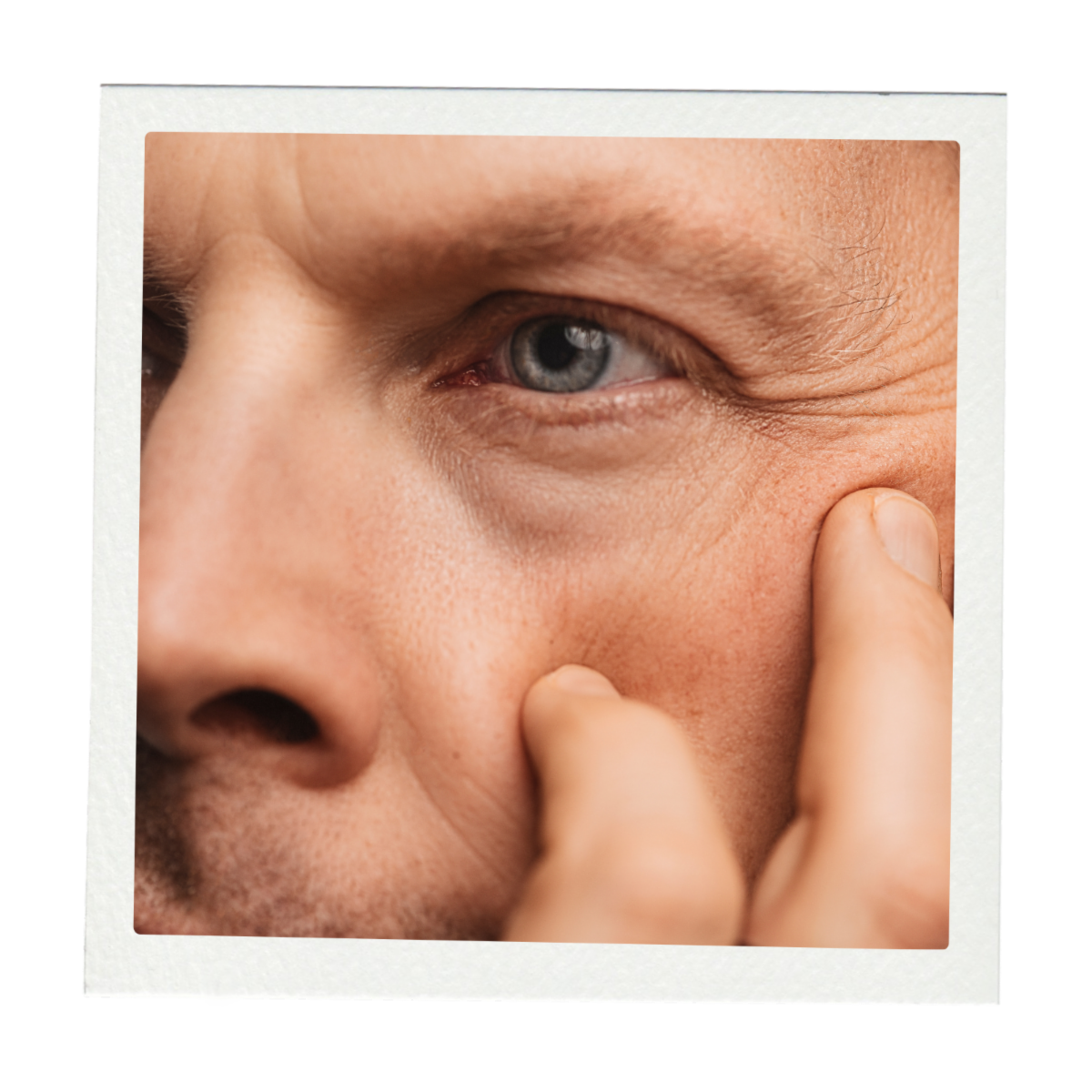
HELIX
CO2 Lasers are the most aggressive laser resurfacing devices. They are known to provide excellent results but traditionally require significant recovery and downtime.
HELIX is a next-generation fractional CO₂ laser that combines ablative CO2 laser with non-ablative 1570nm laser. It uses controlled thermal energy to create precise micro-channels in the skin that trigger the body’s natural healing response while preserving surrounding tissue. The result is powerful resurfacing with excellent results, but with enhanced control and flexibility and less down time compared to traditional CO₂ lasers.
The HELIX platform allows providers to adjust depth, density, and energy delivery, making it possible to use less aggressive settings and address early signs of aging or higher settings for more advanced concerns, within the same system.
Helix can help address:
Fine lines, crepiness, and deeper wrinkles
Acne scarring and surgical scars
Sun damage and pigmentation irregularities
Uneven texture and enlarged pores
Loss of firmness and skin laxity
Areas we commonly treat:
Face, neck, chest, and hands: Helix can be used as an overall resurfacing treatment to address multiple signs of skin aging and sun damage.
Around the mouth and upper lip: For more pronounced lines, Helix can provide a more aggressive resurfacing treatment to target deeper wrinkles.
Scars: Helix can also be used to spot treat individual scars, allowing treatment to be focused where it is needed most.
One of the advantages of Helix is the ability to customize the treatment approach. Different treatment depths can be combined in the same treatment to address multiple concerns.. Our team at SKN Dermatology can determine whether a more superficial approach, deeper resurfacing, or a combination treatment makes sense for your skin.
MATCHING THE TREATMENT TO THE CONCERN
Choosing a laser treatment isn’t simply about selecting a device. The right approach depends on several factors, including:
Your primary concern: Pigment, redness, texture, wrinkles, laxity, or scarring may require different approaches.
The treatment area: The face, neck, chest, and body can have different needs and may require different treatment settings.
The depth of treatment needed: Some concerns can be addressed at the surface, while deeper lines, scars, and laxity may benefit from more intensive resurfacing.
Your goals and timeline: Treatment intensity, downtime, and the number of treatments can vary depending on the results you’re hoping to achieve.
Real-life application: If you've tried a retinoid before and stopped because of irritation, or are scared to try one due to potential side effects, you have to try this product. You will absolutely LOVE it!

Redness + visible blood vessels
Brown spots + superficial sun damage

Laxity + loss of firmness
Crepey skin + loss of elasticity

Deeper lines + wrinkles
Acne scars + other scars
At SKN, laser treatments are customized to the individual. During a consultation, our team can evaluate your skin and determine which technology, treatment settings, and approach make the most sense for your specific concerns.